Signs of sewage backup in your Bellingham property
Identify the signs of sewage backup in your Bellingham property to prevent costly damage and ensure safety.
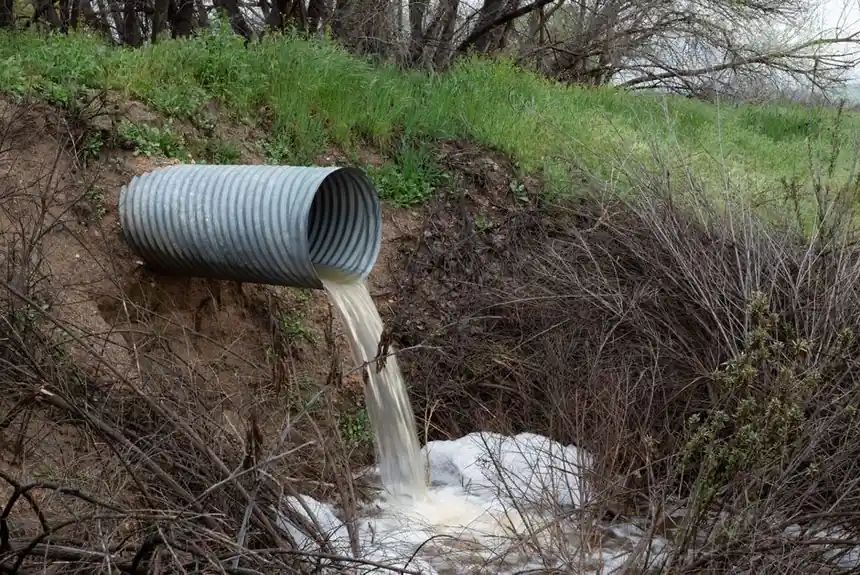
Sewage backup occurs when wastewater from toilets, sinks, or drains flows back into your property, creating a hazardous environment. Recognizing the signs of sewage backup in your Bellingham property can help you address the issue before it escalates into a health hazard or costly repair.
This article explores the signs of sewage backup, common causes, and what actions to take if you suspect a problem. Understanding these factors can protect your home and health.
What is sewage backup?
Sewage backup is a plumbing issue that occurs when wastewater cannot properly flow through the sewer system, causing it to flow backward into your home. This situation can result from various factors, including blockages, pipe damage, or municipal system failures.
Signs of sewage backup in Bellingham
Several indicators can signal a sewage backup in your Bellingham property. Being aware of these signs allows you to take action promptly:
- Unpleasant odors: A strong, foul smell resembling sewage is often the first sign of a problem.
- Slow drains: If multiple drains in your home are draining slowly, it may indicate a blockage in the sewer line.
- Gurgling sounds: Unusual gurgling noises from your drains or toilets can suggest air trapped in the plumbing due to a blockage.
- Water pooling: Water pooling in your yard, especially near the sewer line, can indicate a backup.
- Backflow: If wastewater starts to flow back from your toilets or sinks, it's a clear sign of a sewage backup.
In Bellingham, where older plumbing systems are common, these signs can appear more frequently. Homeowners should be vigilant, especially during heavy rainfall when the risk of sewage backup increases.
Common causes of sewage backup
Understanding the common causes of sewage backup can help you prevent such issues in your Bellingham property:
- Clogs: Hair, grease, and foreign objects can block pipes, leading to backups.
- Tree roots: Roots from nearby trees can infiltrate sewer lines, causing blockages and damage.
- Pipe damage: Cracked or broken pipes can impede the flow of wastewater.
- Improper installation: Poorly installed plumbing systems can lead to frequent backups.
- Municipal system failure: Issues in the city's sewer system can cause backups in residential properties.
Residents of areas like Fairhaven may experience these issues more due to the age of the infrastructure. Regular maintenance can help mitigate these risks.
What to do if you suspect a sewage backup
If you notice any signs of sewage backup in your Bellingham home, take immediate action:
- Stop using water: Cease all water usage to prevent further backflow.
- Identify the source: Check all drains and toilets to determine the extent of the backup.
- Call a professional: Contact a sewage cleanup service immediately to address the issue.
Professional sewage cleanup is essential for ensuring the problem is resolved safely and effectively. Attempting to clean up sewage yourself can pose serious health risks.
Common mistakes to avoid
Homeowners often make several mistakes when dealing with sewage backups:
- Ignoring signs: Delaying action can lead to more extensive damage and health risks.
- DIY cleanup: Attempting to handle sewage cleanup without proper equipment can expose you to harmful pathogens.
- Neglecting maintenance: Failing to maintain plumbing systems increases the risk of backups.
Being proactive and addressing issues promptly can prevent costly repairs and health hazards.
When to call a professional
It's crucial to call a professional when you suspect a sewage backup. Professionals can assess the situation, provide water damage restoration, and ensure your home is safe. If you notice signs such as strong odors, slow drains, or backflow, don't hesitate to reach out for help.
Frequently asked questions
What should I do if sewage backs up in my home? Stop using water immediately and call a professional sewage cleanup service.
How can I prevent sewage backups? Regular maintenance, proper disposal of waste, and addressing plumbing issues promptly can help prevent backups.
Is sewage backup covered by homeowners insurance? Coverage varies by policy; check with your insurance provider to understand your coverage.
How much does sewage cleanup cost in Bellingham? Typical costs for sewage cleanup services in Bellingham range from $1,500 to $5,000, depending on the severity of the issue.
Can I clean up sewage myself? It's not recommended; sewage contains harmful pathogens, and professional cleanup is safer and more effective.